Expert Hair Infection & Scalp Allergy Care in South Delhi
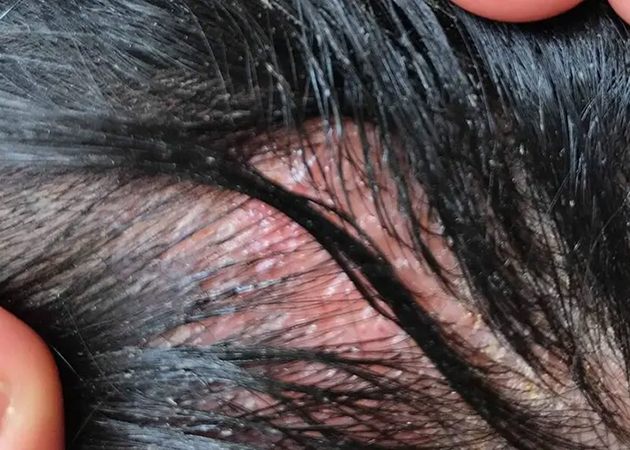
Hair scalp can become infected if fungus or bacteria enter the scalp through the hair follicles or damaged skin. Bacteria cause some common infections, such as folliculitis and impetigo. Others, such as ringworm, are fungal.
Symptoms vary between infections, though most cause redness, itching. Recognizing the differences can help a person get the right treatment. When the infection is severe, inflammation is so intense that it can permanently destroy the hair follicles, leaving little bald patches.
Eczema or allergy of the scalp, which results in itching, flaking, or crusting of the scalp can create psychological stress and decrease in quality of life. It can be just an allergy to the hair products or a severe reaction to the hair color used. It is a long-term hair condition that requires ongoing treatment. However, developing a good hair care routine and learning to recognize and eliminate triggers can help you manage the condition effectively.
Common Types of Hair and Scalp Infections
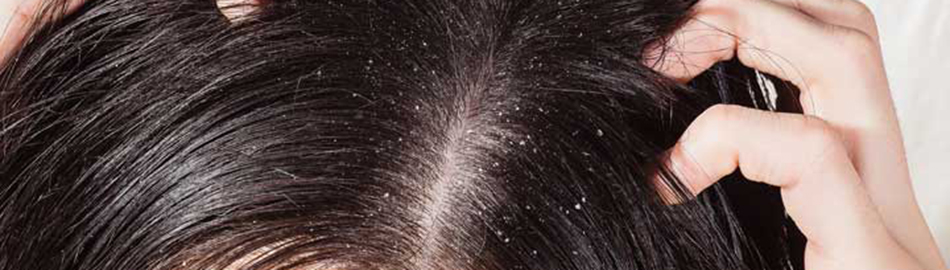
Dandruff, also known as seborrheic dermatitis, is a common chronic scalp condition characterized by itching and flaking of the skin on the scalp. Although dandruff isn’t contagious and is rarely serious, it can be embarrassing and sometimes difficult to treat. At Skin Specialist clinics, dandruff is approached with proper diagnosis and targeted care.
It can be caused due to several factors such as oily skin, sensitivity to shampoos or hair products, yeast infection, psoriasis, and improper hair care. Dr. Jyoti determines the root cause and helps bring your dandruff problem under control. Mild cases may require regular use of medicated shampoos, while moderate to severe cases need medical management and in-clinic treatment.
Diagnosis and Treatment of Hair Infections in South Delhi
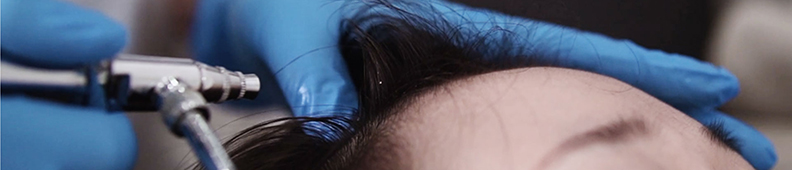
Dr. Jyoti uses a scalp peeling solution to remove the dead cell layer, increasing the absorption of prescribed medications and enhancing the cell reproduction rate. This treatment significantly improves nutrient absorption by boosting microcirculation, opening blocked pores, and promoting the movement of new cells to the scalp surface. It is an ideal treatment for oily scalp, dandruff, psoriasis, and recurrent scalp infections. In certain cases, it also supports better outcomes when combined with advanced procedures such as hair transplant or cosmetic solutions like micropigmentation.