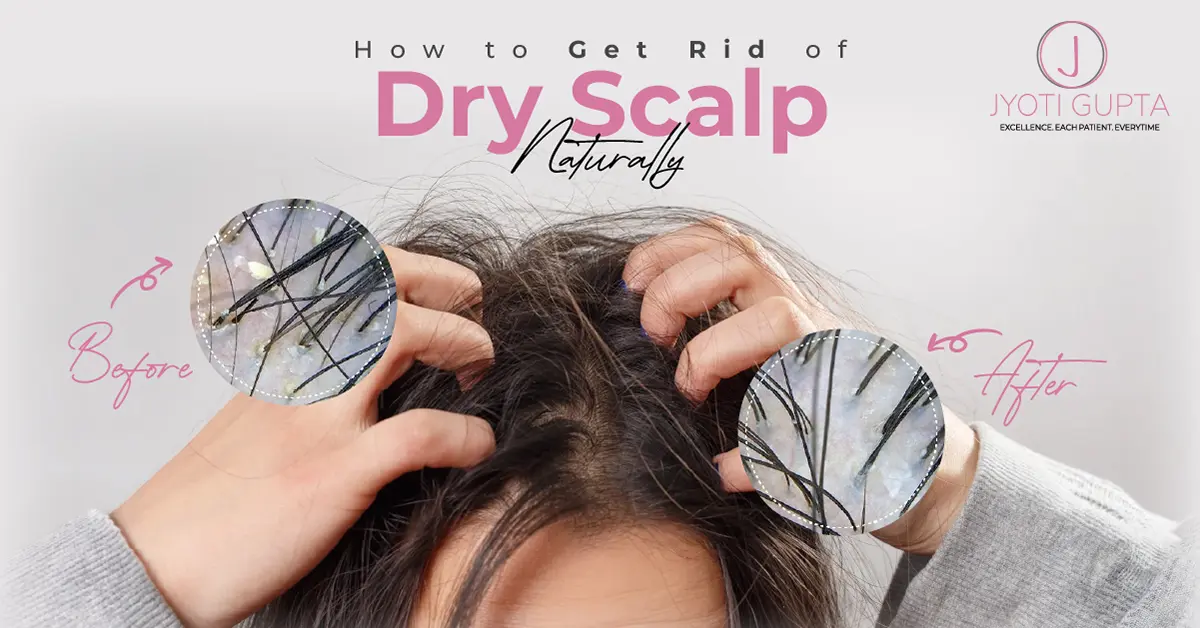
Does your scalp itch a few hours after you wash your hair? Is your clothing covered in white flakes even after regular shampooing? It could be that you have a dry scalp.
A dry scalp happens when the skin on your head loses moisture. It can feel tight, itchy or rough. Sometimes, the flakes look so much like dandruff that people struggle to tell them apart.
The good news is that mild dryness often improves when you change a few hair care habits. However, if the itching keeps returning, you need to find out what's causing it.
How to Get Rid of Dry Scalp Naturally Without Damaging Your Hair
You don't have to apply several oils or try every home remedy you see online. Your scalp might simply need gentler care.
Here are a few things worth trying.
1. Wash Your Hair With Lukewarm Water
A hot shower feels relaxing, especially during winter. But hot water can wash away the natural oils that protect your scalp.
Use lukewarm water whenever you wash your hair. If your scalp feels tight after a shower, avoid washing it with very hot water.
2. Don't Shampoo More Than Your Hair Needs
Washing your hair too frequently with a strong shampoo can make dryness worse.
If your hair doesn’t get oily quickly you may not need to shampoo everyday. Choose a washing schedule that suits your hair and scalp.
3. Try Coconut Oil Carefully
Some people use coconut oil as a dry scalp remedy because it helps reduce moisture loss from the skin.
You can try a small amount if your scalp feels dry and has no redness or greasy flakes.
Coconut oil can also aggravate some scalp conditions. If itching becomes worse, stop using it.
4. Give Your Scalp a Break From Styling Products
Hair sprays, colouring products and heavily fragranced serums sometimes irritate sensitive skin.
If your scalp recently started itching, think about whether you've changed any hair products.
Stop using anything that seems to make the irritation worse.
5. Stop Scratching the Flakes
When your scalp feels itchy, scratching becomes almost automatic.
Unfortunately, your nails can injure the skin and make irritation worse.
Instead of picking at dry scalp flakes, wash gently and seek treatment if the itching doesn't settle.
What Causes a Dry Scalp and How Is It Treated?
Have you ever wondered, "Why is my scalp so dry even after washing?"
There isn't always one explanation.
Your scalp may become dry because of cold weather, low humidity, harsh shampoos or frequent washing. Some people also react to hair dyes, fragrances and other ingredients in their hair products.
Sometimes, the problem isn't ordinary dryness at all.
Conditions such as eczema, psoriasis and seborrheic dermatitis can leave the scalp itchy, inflamed or covered in flakes.
The best treatment for a dry scalp really depends on what’s happening with your skin. A moisturizing shampoo may help simple dryness, while a medical condition may need prescribed treatment.
Dry Scalp vs Dandruff: How Can You Tell the Difference?
People often ask, "Why do I have dandruff when I wash my hair regularly?"
The answer may be that the flakes aren't caused by poor hygiene.
A dry scalp usually produces small, loose flakes. Your skin may also feel tight or dry.
Seborrheic dermatitis can cause dandruff. This can cause larger flakes and itchy, sometimes oily or red skin.
Both conditions can look similar. If your scalp keeps flaking despite gentle washing, a dermatologist can help identify the cause.
Which Shampoos or Ingredients Help Relieve a Dry Scalp?
When buying a shampoo for dry scalp, read the ingredient label rather than choosing a product because it promises instant results.
Look for ingredients such as:
- Glycerin: Helps attract moisture to the skin.
- Panthenol: Commonly used in moisturizing hair products.
- Gentle cleansers: Clean the hair without excessive stripping.
- Fragrance-free formulas: May suit people whose scalp reacts to perfumes.
For dry hair, use a moisturizing conditioner after shampooing.
If dandruff is causing your flakes, a medicated shampoo containing ketoconazole or another anti-dandruff ingredient may work better.
Best Moisturizing Shampoos and Conditioners for Dry Hair and Scalp
The best shampoo for dry scalp doesn't need to produce lots of foam.
Choose one that leaves your scalp comfortable after washing. If your hair feels rough, use a conditioner suited to your hair type.
Avoid changing shampoos every few days. Give your routine some time, but discontinue anything that causes burning, redness or worsening itching.
Remember that a shampoo for dandruff and hair fall may not address both problems. Hair loss and scalp flakes can have different causes.
Can Skin Conditions Like Eczema or Psoriasis Cause a Dry Scalp?
Yes, and that's why persistent flakes deserve attention.
Scalp eczema may cause itching, redness and irritated skin. Psoriasis can create thicker patches with noticeable scaling.
If your scalp is peeling off in chunks or you notice painful, cracked skin, don't try to remove the patches yourself.
You may need a dermatologist to check for psoriasis, eczema or a scalp infection.
Do Diet, Hydration or Supplements Affect Scalp Dryness?
Though your diet affects your overall skin health, drinking extra water won't magically solve a dry scalp.
Eat regular meals with enough protein, healthy fats and vegetables. Certain nutritional deficiencies can affect skin and hair health.
Don't start taking hair supplements simply because your scalp feels dry. Ask your doctor whether testing or supplements are necessary.
How to Build a Gentle Scalp Care Routine for Sensitive Skin
You can keep your daily routine fairly simple.
- Wash your hair with lukewarm water.
- Choose a mild shampoo that suits your scalp.
- Massage gently with your fingertips.
- Rinse away all shampoo residue.
- Avoid scratching or picking at flakes.
- Limit direct heat from styling tools.
If your scalp feels worse after a particular product, stop using it.
When Should You See a Dermatologist for a Dry Scalp?
Occasional dryness may settle with home care. But don't ignore itching that keeps you awake, bleeding patches, swelling or hair loss.
If you've tried changing your shampoo and washing routine without improvement, get your scalp examined.
Dr Jyoti Gupta provides treatment for skin and hair problems like scalp infections, allergies and other skin problems in dermatology. If you're struggling with ongoing dryness or itching, a consultation can help you understand the cause before choosing treatment.
FAQs
1. How can I get rid of dry scalp naturally?
Wash with lukewarm water, choose a gentle shampoo and avoid irritating hair products.
2. Why is my scalp so flaky?
Dry skin, dandruff, eczema, psoriasis or reactions to hair products may cause flaking.
3. Can coconut oil help a dry scalp?
It may help some people with simple dryness, but it can worsen certain scalp conditions.
4. How do I get rid of an itchy scalp?
Avoid scratching and harsh products. If itching continues, consult a dermatologist.
5. Can dry scalp lead to hair loss?
Ordinary dryness rarely causes major hair loss, but inflammation, infection and repeated scratching may contribute.