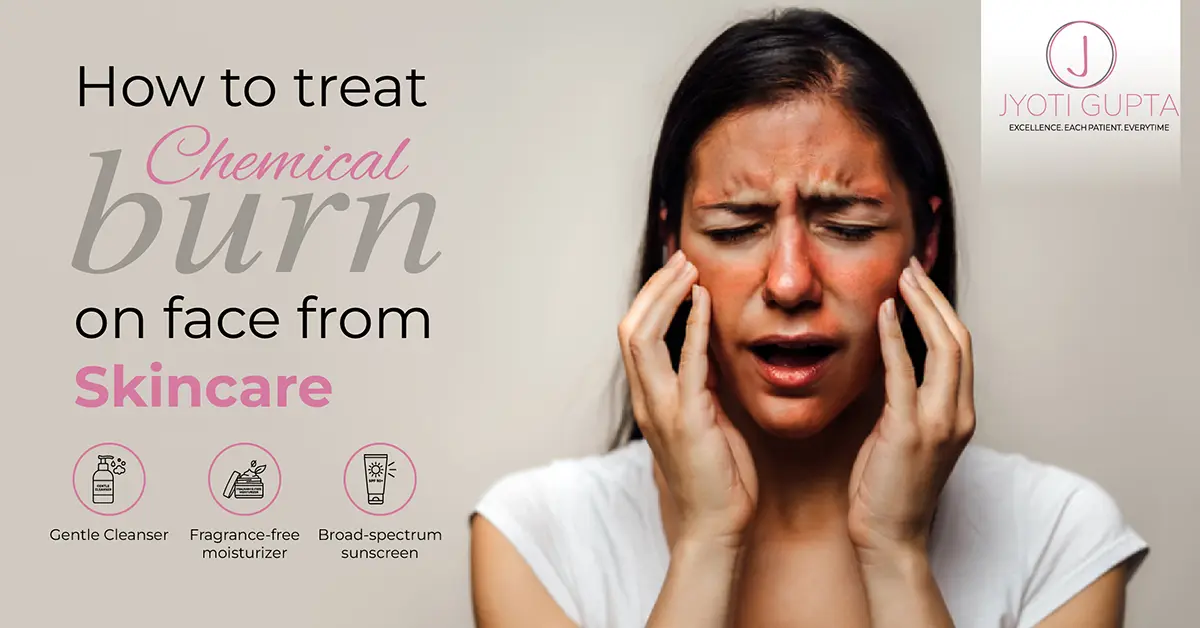
Skin care products are supposed to improve your skin but when you put the wrong product on, or use the active ingredient in the wrong quantity then in some cases you are irritated or even face burn due to the skincare. Mild burns may result in redness, stinginess, but more severe burns may result in peeling, swellings, pain, and pigmentation issues in the long-term.
By the time you have experienced burning of your skin with skincare products, you need to take action very fast to minimize the extent of burning that your body endures so that it does not harm your body but heal the parts that are nearer to the burning. The following is an information guide on reasons, symptoms, treatment options and preventive tips of chemical burns on skin caused by skincare products.
What Is a Chemical Burn on the Face?
A chemical burn on face is the contact of the skin with a substance that destroys the skin barrier. This can particularly occur in skincare when such active ingredients as glycolic acid, salicylic acid, lactic acid, retinoids and home-based chemical peels are applied improperly or excessively.
The mildly irritating nature of such chemical burns and the severity of the skin damage will depend on the strength of the product, time of exposure, and specific sensitiveness of the skin.
What Causes Chemical Burns on Face from Skincare?
Chemical burns on face from skincare can be prompted with several skincare errors.
Overuse of Exfoliating Acids
Some common acnes, pigmentation and skin texture improving ingredients are Alpha Hydroxy Acids (AHAs) and Beta Hydroxy Acids (BHAs). However, excessive use will of course ruin skin barrier and can cause burns.
Using High-Concentration Chemical Peels at Home
Peels of professional grade have higher concentrations of acids that might not be used at home. When used incorrectly it can cause serious skin damage.
Mixing Multiple Active Ingredients
Combining ingredients such as:
- Retinoids
- Glycolic acid
- Salicylic acid
- Benzoyl peroxide
- Vitamin C
Can suffocate the skin and cause increased chances of burns and irritations.
Sensitive or Compromised Skin Barrier
Even products that had been previously well tolerated may begin to burn and irritate your skin even when your barrier is already compromised.
Signs and Symptoms of a Chemical Burn on Face
Early identification of the symptoms helps to avoid additional harm.
Common symptoms include:
- Burning sensation
- Redness
- Skin inflammation
- Pain or tenderness
- Peeling skin
- Swelling
- Blistering in severe cases
- Increased sensitivity to touch
- Dryness and tightness
A mild chemical burn on face can simply result in simple redness and stinging whilst severe ones may result in blistering and long-lasting recovery.
How to Treat Chemical Burn on Face from Skincare
If you suspect a chemical burn, take action immediately.
1. Stop Using the Product Immediately
The first, as well as the most important step is to cease the use of the product that leads to the reaction. More usage could worsen the burn and slug the healing process.
2. Rinse the Skin Thoroughly
Rinse the affected part with a cool running water at least 20 minutes. This assists in eliminating any irritants left behind and damage to tissues. Avoid scrubbing the skin.
3. Keep Your Skincare Routine Simple
During recovery, use only:
- Gentle cleanser
- Fragrance-free moisturizer
- Broad-spectrum sunscreen
Keep off active ingredients until it becomes completely healed.
4. Focus on Hydration and Barrier Repair
Look for moisturizers containing:
- Ceramides
- Hyaluronic Acid
- Glycerin
- Panthenol
- Niacinamide
These ingredients are beneficial in repairing the skin barrier and healing.
5. Apply Petroleum Jelly if Recommended
To ensure the healing of an injured skin, it is best to keep the skin moist, which will help alleviate the suffering. In case of a superficial burn the use of petroleum jelly is normally recommended.
6. Protect Your Skin from the Sun
The skin making is susceptible to UV. Put on a broad-spectrum SPF 30 or higher on a daily basis and do not spend too much time in the sun.
What Not to Do After a Chemical Burn
Many people unintentionally worsen the burn by using additional products.
Avoid:
- Chemical exfoliants
- Retinoids
- Benzoyl peroxide
- Scrubs
- Alcohol-based toners
- Fragranced products
- Picking or peeling flaking skin
How Long Does a Mild Chemical Burn on Face Take to Heal?
Time of recovery differs depending on the severity of the burn. Healing may take longer if the skin becomes infected or continues to be exposed to irritating products.
|
Severity |
Expected Healing Time |
|
Mild redness and irritation |
3–7 days |
|
Moderate peeling and inflammation |
1–2 weeks |
|
Severe burns with blisters |
Several weeks or longer |
When Should You See a Dermatologist?
Seek medical attention if you experience:
- Severe pain
- Extensive redness
- Blistering
- Swelling
- Signs of infection
- Fever
- Persistent burning
- Worsening symptoms despite home care
Professional treatment may be used to manage the inflammatory process and avoid the formation of such complications as scarring or post-inflammatory hyperpigmentation.
How to Prevent Future Chemical Burns
In order to prevent burns associated with skincare in the future:
Perform a Patch Test
Always apply any new products at a small extent before using it on the rest of your face.
Introduce Active Ingredients Slowly
Begin with less concentration and after one or two weeks of use, increase frequency.
Follow Product Instructions
Never leave exfoliating acids or peels on the skin longer than recommended.
Avoid Mixing Too Many Actives
Always keep exfoliating acids or peels on the skin not more than advised.
Final Thoughts
Skin burning after skincare products can be a terrifying and could lead to long-term damages unless measures are taken. In case of a chemical burn on face from skincare, immediately discontinue the use of the product and wash the affected area thoroughly, with emphasis on hydrating the skin and sun protection.
Although a mild chemical burn on face heal within a few days, blistering, redness and persistence, should be reported to a dermatologist. An early directive to professional care can assist in repairing your skin barrier and lessening the likelihood of scarring or pigmentation concerns.
In case you cannot sure about the severity of the burn or your symptoms are becoming challenging, it is relevant to consult a professional dermatologist. Dr. Jyoti Gupta offers personalized skin assessments and treatment plans in order to assist repair damaged skin, improve the skin barrier and help in healthy recovery after skincare-related reactions.